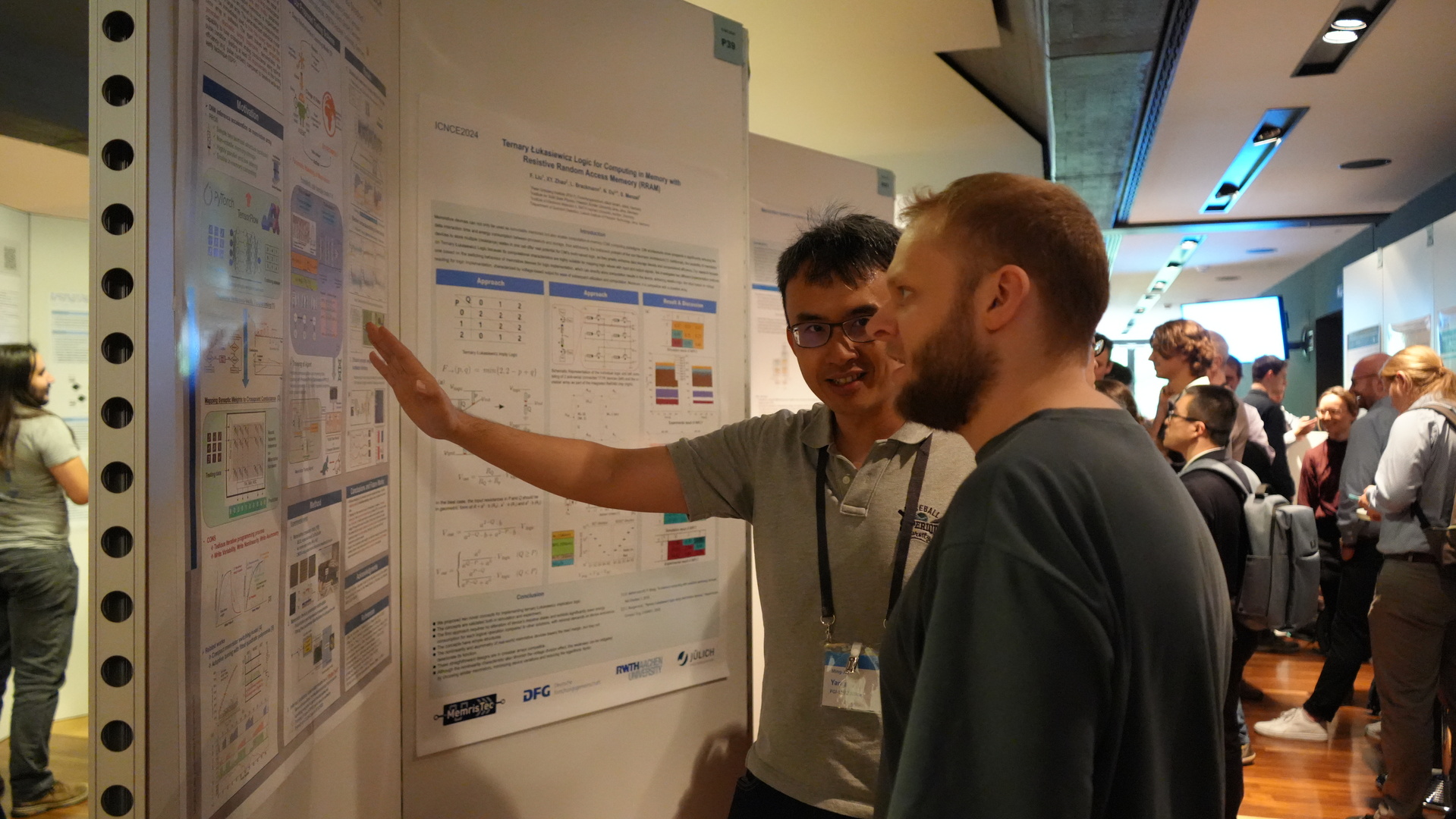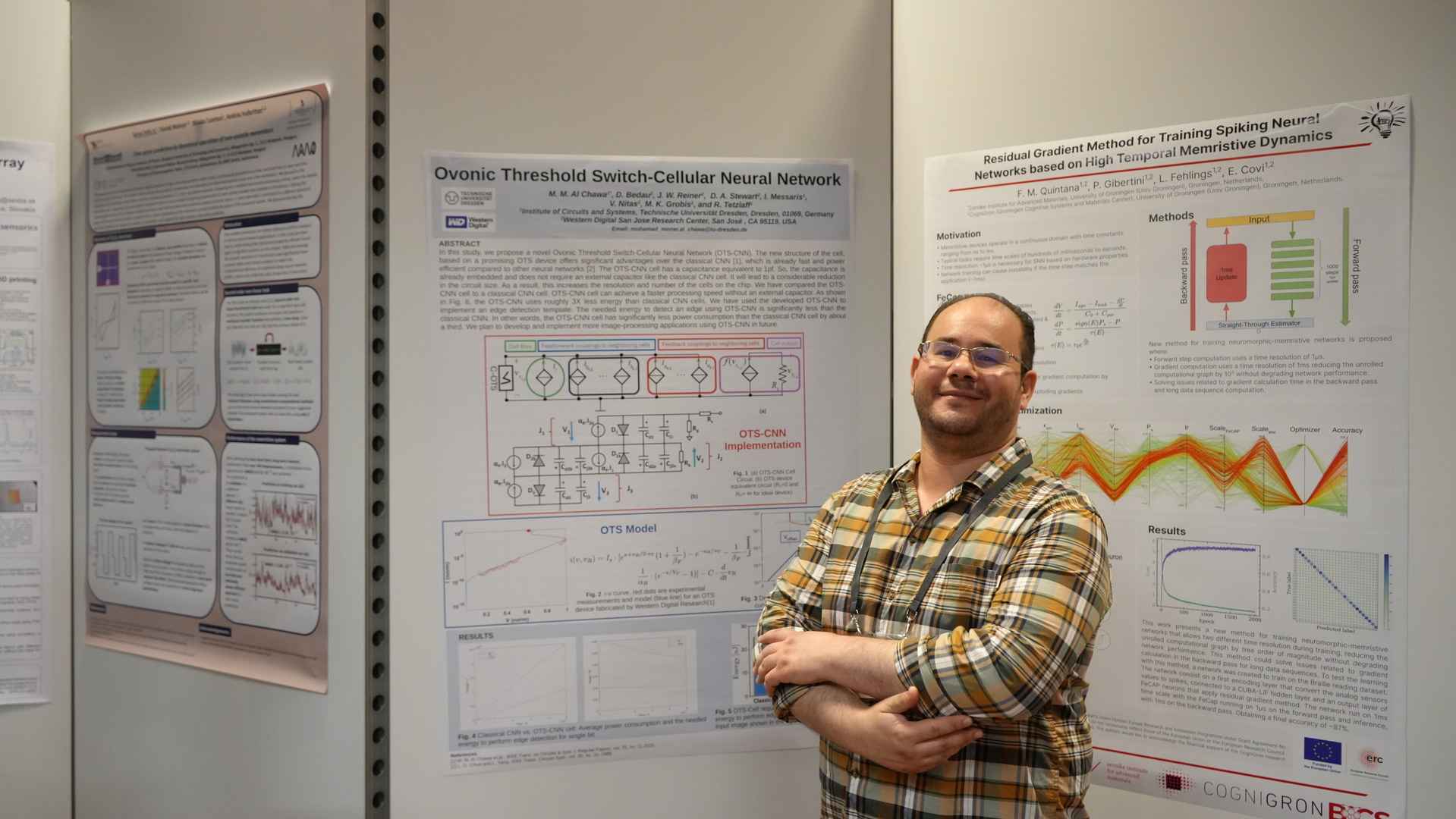


Category: News
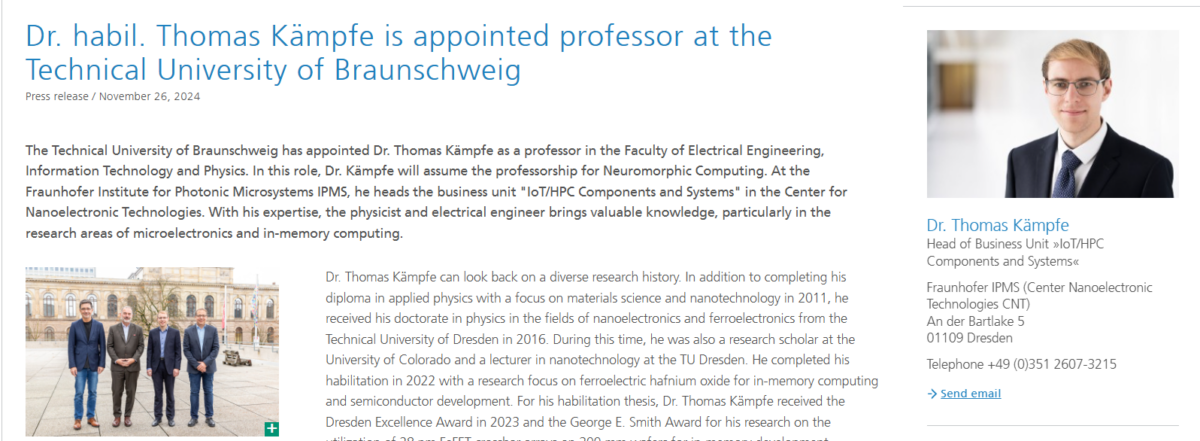
We are pleased to share the exciting news that Dr. habil. Thomas Kämpfe has been appointed as a professor at the Faculty of Electrical Engineering, Information Technology, and Physics at the Technische Universität Braunschweig. In his new role, Dr. Kämpfe will lead the Chair for Neuromorphic Computing, a cutting-edge research area at the intersection of microelectronics, artificial intelligence, and brain-inspired computing systems.
Previously heading the “IoT/HPC Components and Systems” unit at Fraunhofer IPMS, Dr. Kämpfe brings extensive expertise in microelectronics, in-memory computing, and neuromorphic systems. His appointment marks a significant step in advancing cutting-edge research at the intersection of hardware and artificial intelligence.
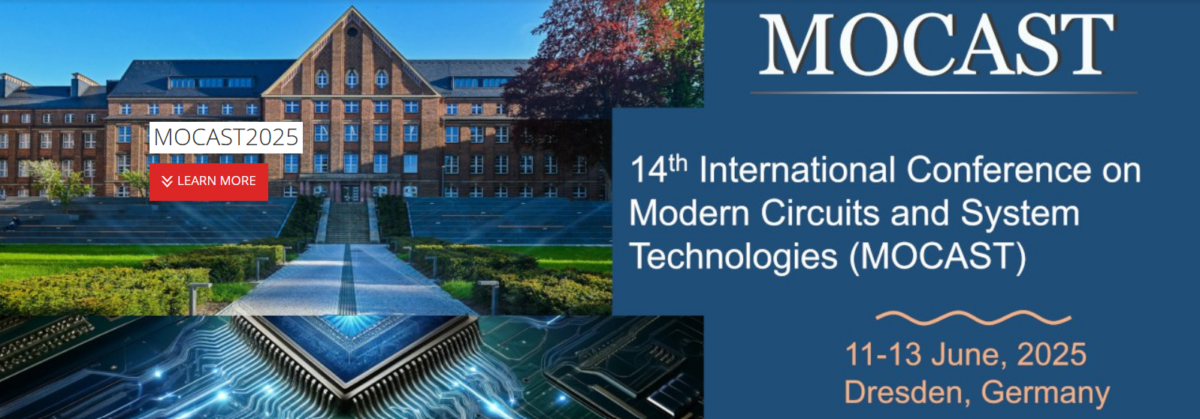
We are excited to share that TU Dresden will host the prestigious International Conference on Modern Circuits and Systems Technologies (MOCAST) on Electronics and Communications 2025. The event is scheduled to take place from June 11-13, 2025, at TUD, right here in Dresden, Germany.
Link: https://tu-dresden.de/ing/elektrotechnik/iee/mocast2025/registration
MOCAST has built a strong reputation for bringing together academic researchers, industry professionals, and innovators from around the world. The conference focuses on cutting-edge developments in the fields of electronics, circuits and systems, and communications.
MOCAST 2025 will offer four Special Sessions:
Advances in Memristive Neuromorphic Devices & Circuits for Artificial Intelligence and Edge Computing
Advanced Technologies, Systems, and Applications for Expanding Wireless Communications Horizons
Trends in Modern Computer Arithmetic and Digital Number Formats
Emerging Memory Devices for In-Memory AI: From Materials to System Integration
Plenary Speakers:
Sandro Carrara
Hai (Helen) Li (Duke University in Durham (US))
Themis Prodromakis (University of Edinburgh in Edinburgh (UK))
Jaan Raik (Tallinn University of Technology (TalTech) in Tallinn (EE))
J. Joshua Yang (University of Southern California (USC) in Los Angeles (US))
Christian Koitzsch (ESMC)
MOCAST 2025 will explore a wide range of emerging technologies in the fields of electronics and communications. The conference topics include:
- Analog, RF, and Mixed-Signal Circuits
- Digital Circuits and System Design
- Nonlinear Circuits and Systems
- Device and Circuit Modeling
- High-Performance Embedded Systems
- Integrated Systems and Real-World Applications
- Artificial Intelligence and Machine Learning
- Sensors, Bioelectronics, and Smart Systems
- Communication and Network Systems
- Power Electronics and Power Management
- Imaging Technologies, MEMS, Medical Devices, and Displays
- Emerging Devices and Technologies
- Radiation-Hardened Electronics (Nuclear and Space)
- Education in Circuits, Systems, and Communications
Categories
MemrisTec Summer School 2025
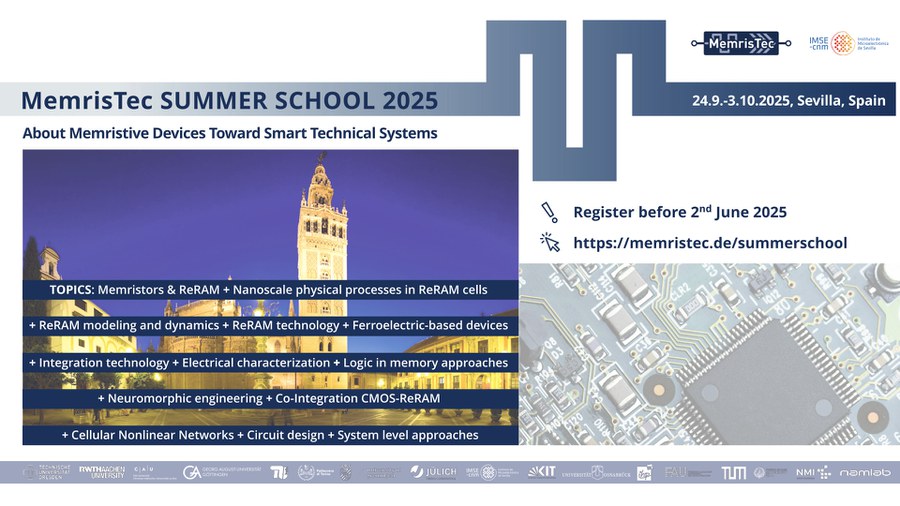
We are thrilled to share that the MemrisTec Summer School 2025 is now open for applications! This exciting academic event will take place from September 24 to October 3, 2025, in Sevilla, Spain.
Link: https://memristec.de/summerschool
Memristors are nanoelectric devices capable of storage and computation. Their specific properties make it possible to integrate significantly more memory than before in a very small space and to create novel, biologically inspired networks for information processing.
This creates electronic circuits whose performance is significantly greater than that of conventional semiconductor solutions. The highly efficient and faster memory technologies are better able than conventional technologies to meet the challenges of the Internet of Things. Due to their high efficiency and small size, memristors also allow the development of highly sensitive biosensors, which are particularly interesting for medical technology.
Categories
Memristors on Edge of Chaos
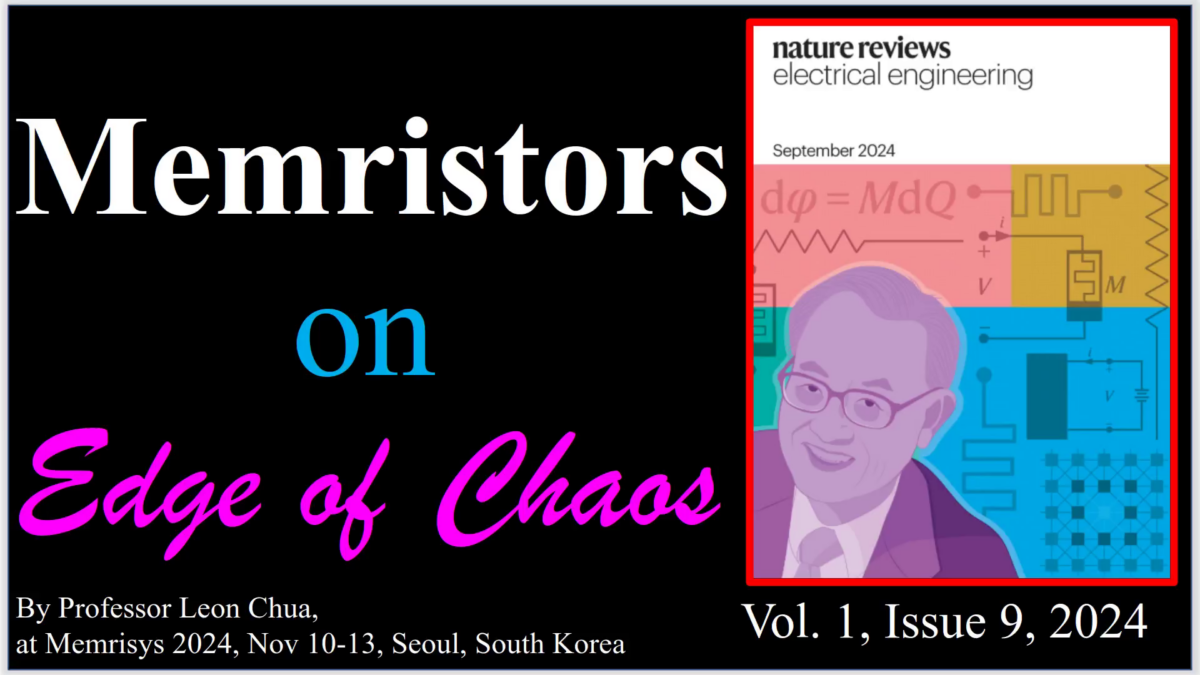
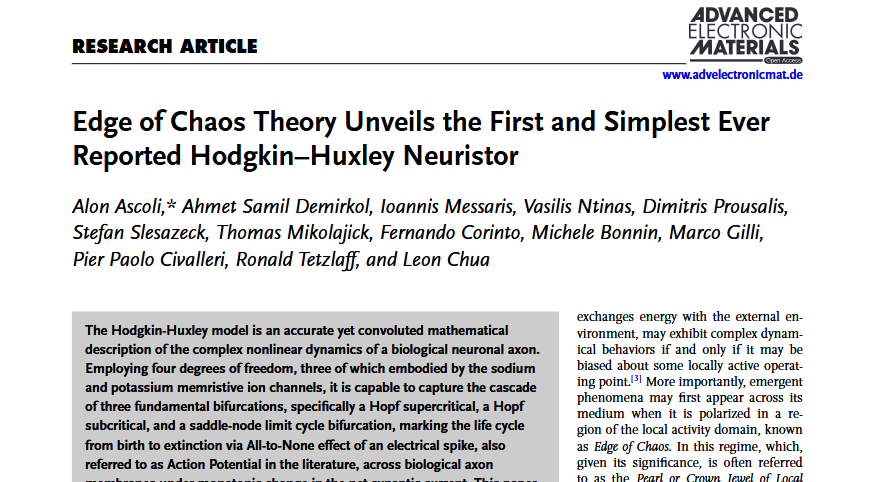
A recent study published in Advanced Electronic Materials introduces a groundbreaking electrical cell that leverages a single memristor operating at the edge of chaos. This innovative approach enables the cell to reproduce complex behaviors observed in biological neurons, marking a significant advancement in neuromorphic engineering.
Key Highlights:
- Edge of Chaos Operation:
The memristor functions at the boundary between order and chaos, a regime known to facilitate complex computational capabilities akin to biological systems. - Simplified Architecture:
Utilizing just one memristor, this design simplifies the hardware requirements for emulating neuronal behavior, potentially leading to more efficient and compact neuromorphic circuits. - Implications for Neuromorphic Computing:
This development could pave the way for more efficient artificial neural networks, enhancing machine learning and artificial intelligence applications by mimicking the intricate dynamics of the human brain.
The research underscores the potential of edge-of-chaos dynamics in developing more efficient and biologically realistic computing systems. By harnessing this principle, future technologies may achieve higher levels of adaptability and intelligence, bridging the gap between artificial and natural information processing.
For a comprehensive understanding of the study and its implications, you can access the full article here: https://advanced.onlinelibrary.wiley.com/doi/full/10.1002/aelm.202400789
🌟 Exciting News! 🌟
We are thrilled to announce that our paper, published in the IEEE Journal on Emerging and Selected Topics in Circuits and Systems (JETCAS) 2022, has been recognized as a Highlight Paper for 2022!
Title:
“Edge of Chaos Explains Prigogine’s Instability of the Homogeneous”
Authors: A. Ascoli, A.S. Demirkol, R. Tetzlaff, and L.O. Chua
Reference:
IEEE JETCAS, Vol. 12, No. 4, pp. 804-820, 2022
DOI: 10.1109/JETCAS.2022.3221156
This recognition is a testament to the importance of our work in advancing the understanding of Prigogine’s Instability and the role of the Edge of Chaos in complex systems.

Categories
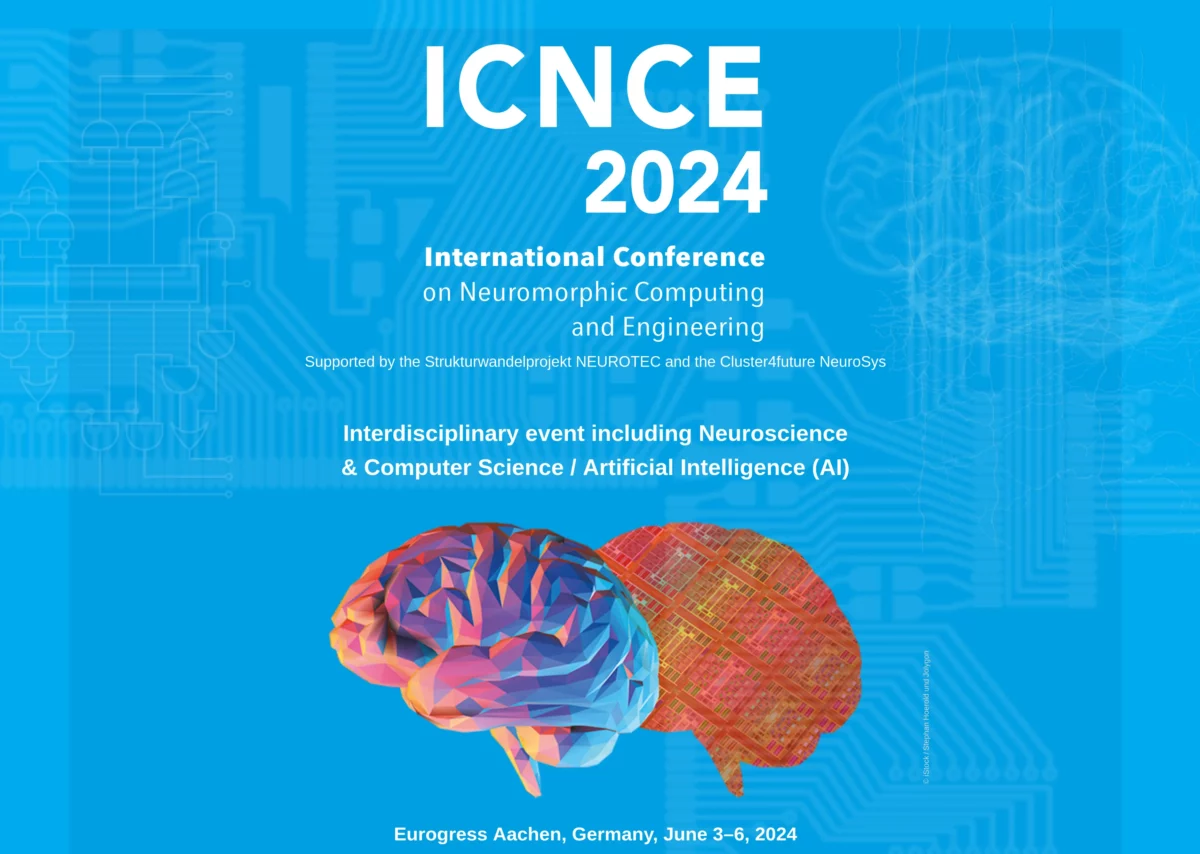
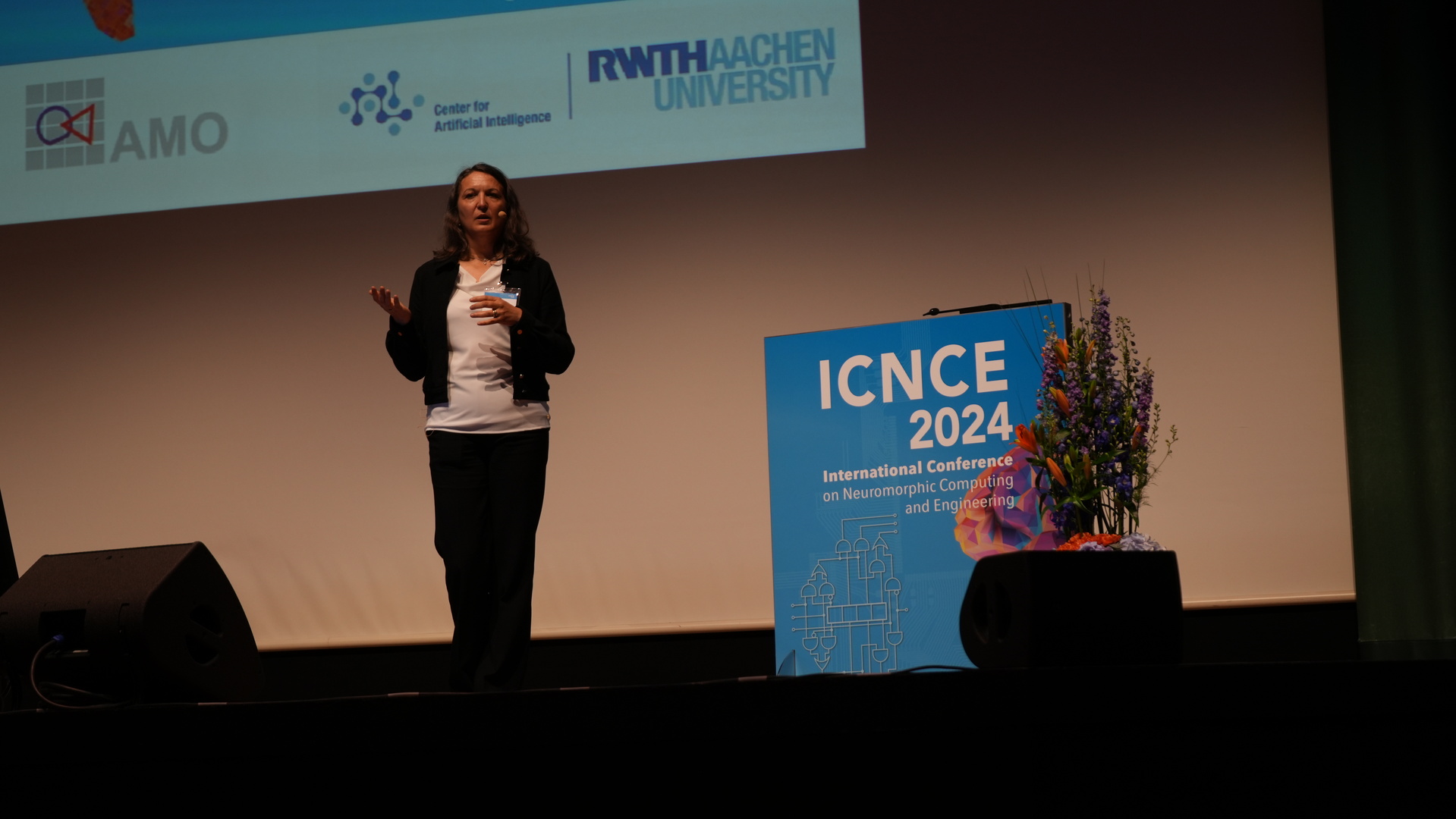
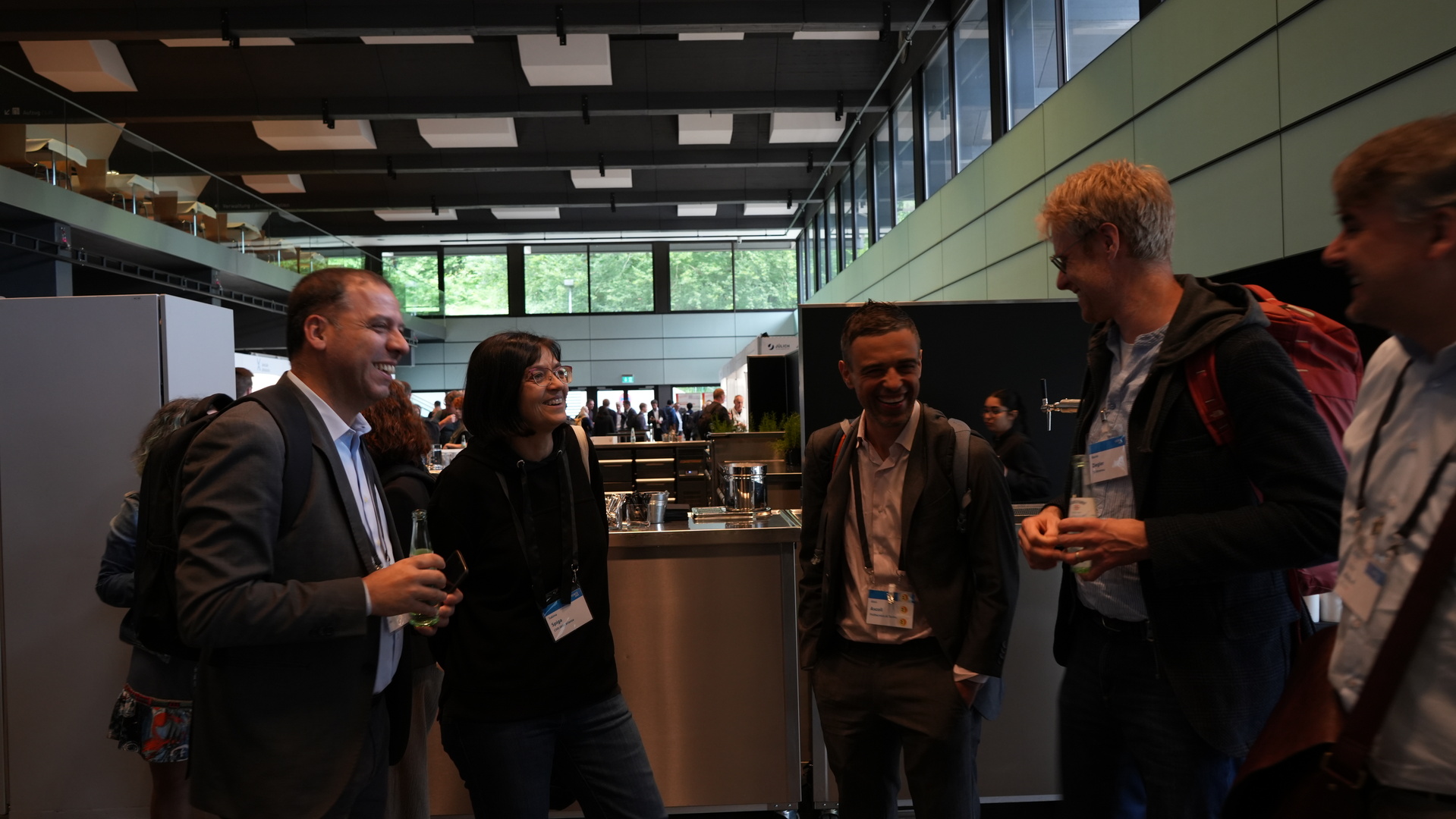
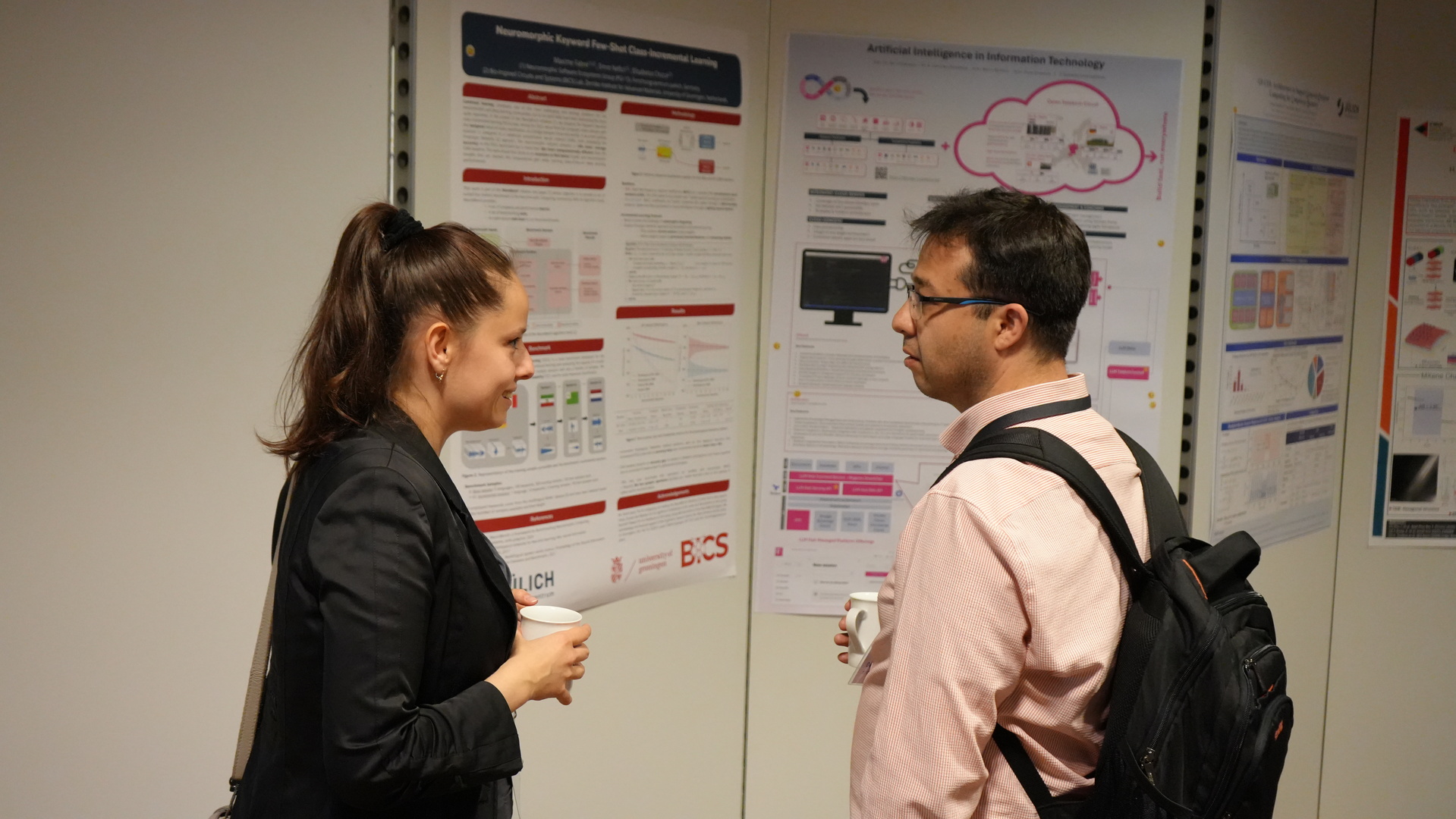
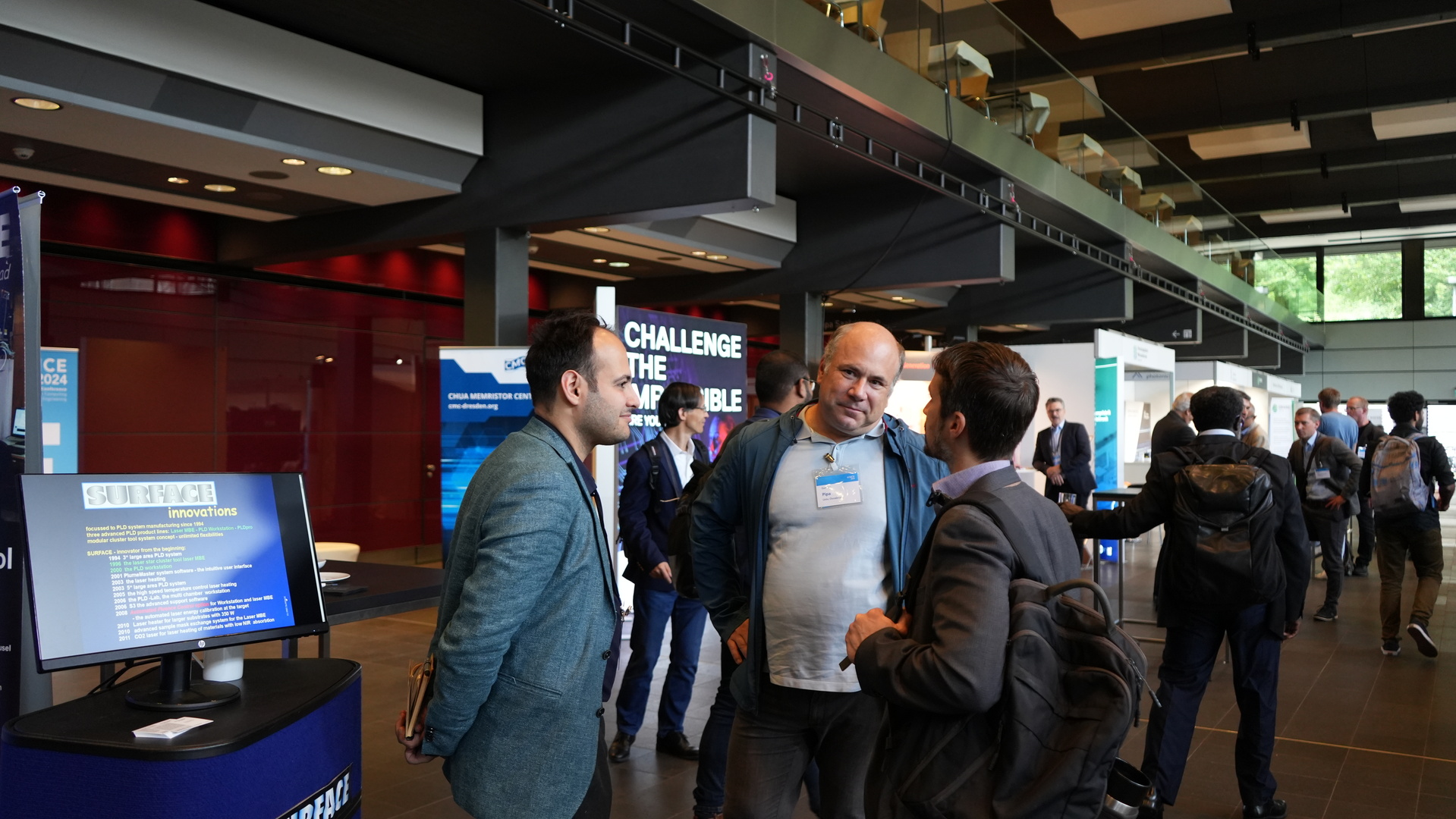
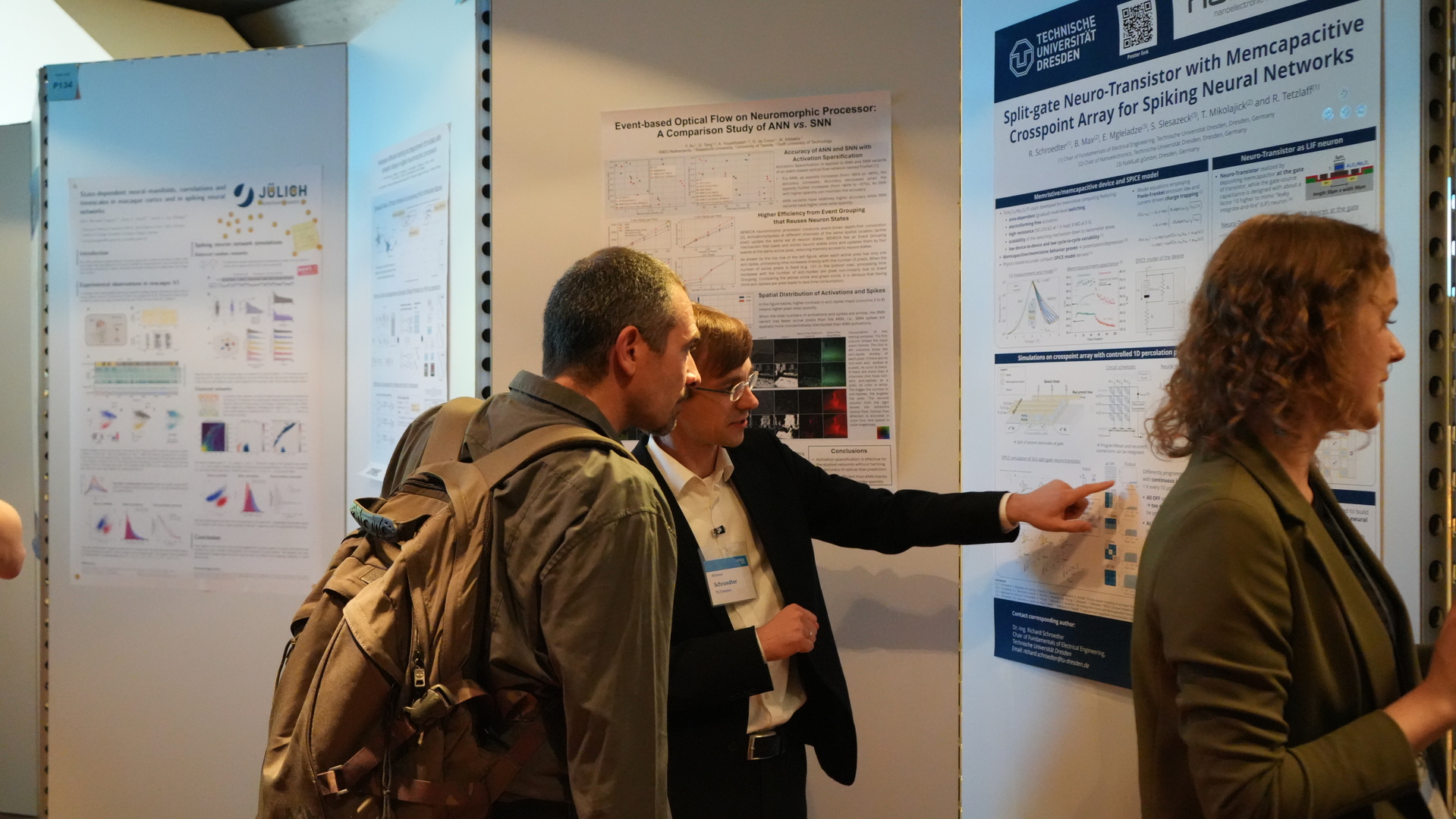
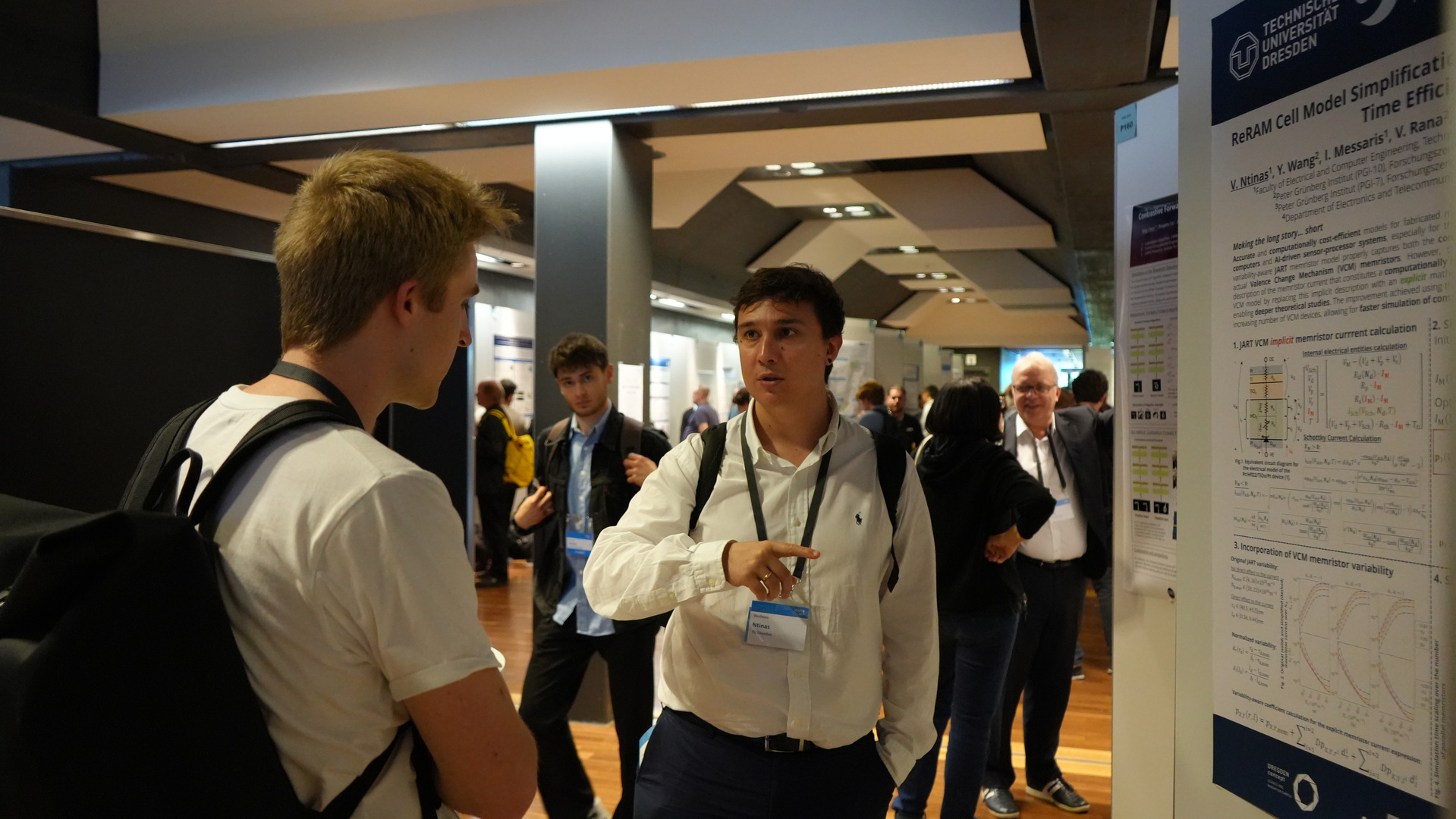
CMC members at ICNCE2024